A Guide to Umami Cooking
First, let’s get this out of the way: Umami is not a vibe; it’s one of the 5 fundamental tastes, triggered by specific compounds indicating the presence of protein.
This is a guide to integrating those compounds into your cooking. Think of it as something extremely concrete, like salt or sugar, not abstract like “presentation” or “mouthfeel”.
Why To Umami
You should umami your food for the same reason you should season it; mammals like it, so it will just taste better.
The second reason, though, is that Westerners tend to chronically under-neglect this, so there are probably extremely low-hanging fruits to improve your cooking both absolutely and relative to those around you.
The Umami 80/20: MSG
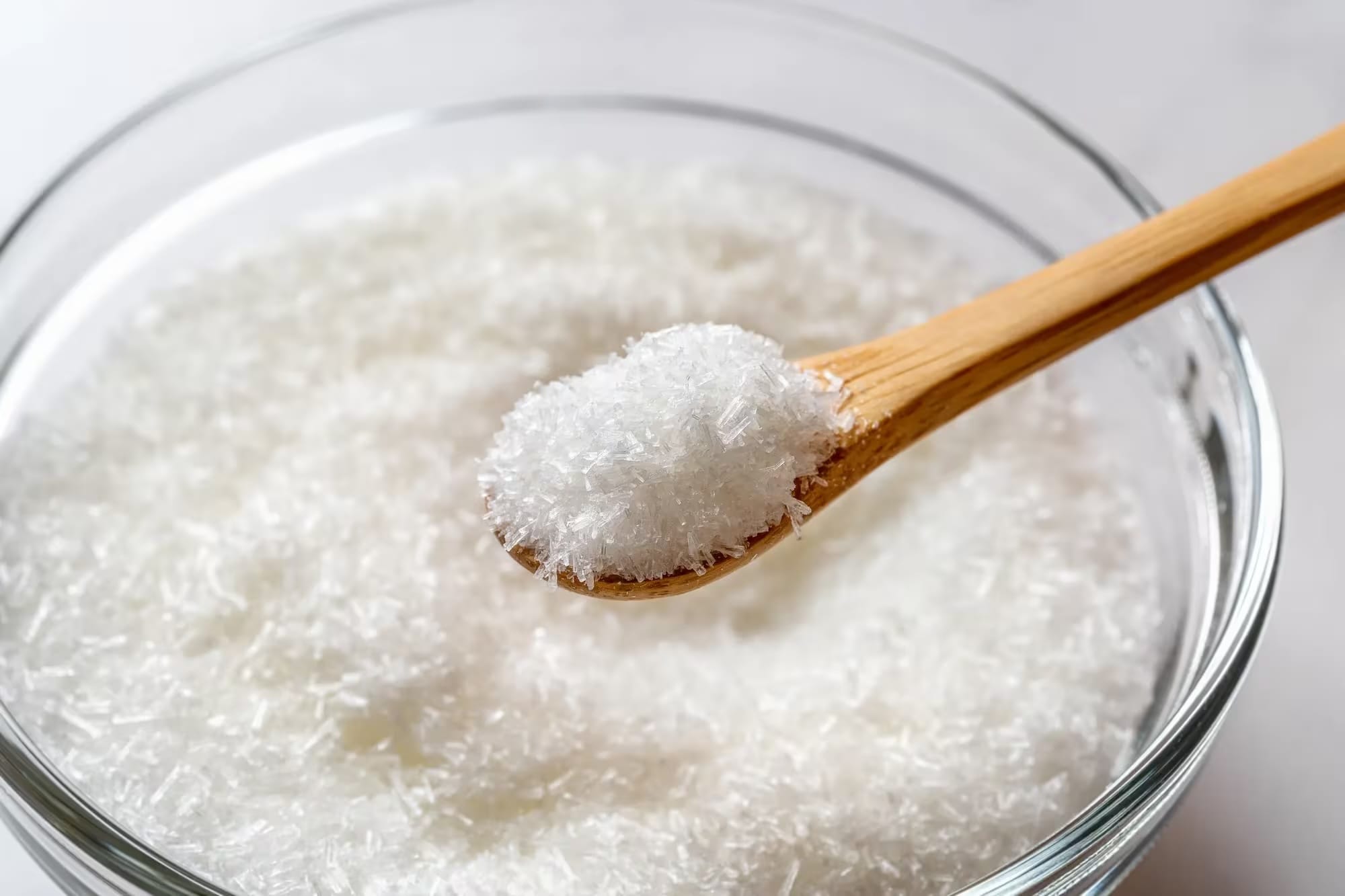
The easiest way to umami stuff is just to add MSG (and yes, this is perfectly safe). As a rule of thumb, put about 1/3 as much as you would salt. Do the final salting after adding the MSG, as it already contains some sodium and can also independently increase the perception of saltiness.
Like all cooking, taste and adjust as needed.
You can add MSG directly to any liquid, like soups, sauces, and stews, but it has a weird texture, so you’ll need to dissolve it in something first in other cases.
MSG really improves eggs, for scrambled or an omelet, add it when beating the eggs. For fried eggs, sprinkle some on the eggs immediately after adding them to the pan when the top is still liquid, so it can dissolve.
It is also my secret ingredient for salads that will make people wonder how this salad is so much better than every other one they’ve ever had. Add it to the dressing and apply just before serving.
Meats are generally Umami enough already, so don’t add it to a steak, hamburger, roast chicken, etc. However, fake meats really need it and improve enormously with some MSG. Again, apply before cooking so there is some moisture for the MSG to dissolve to avoid its otherwise crystalline texture.
Other Sources of Umami
The nice thing about MSG is that you can control exactly how much umami you’re adding, but not bring any other flavors along.
That said, various foods already bring umami, so how much MSG to add will depend on the existing level. Again, as with all cooking, taste as you add!
Most cuisines have at least one ingredient that contributes to umami, so if adding MSG, consider how much other ingredients already contribute. If you can’t or won’t use MSG, these are the ingredients you’ll use to get it:
- Tomatoes
- Meat stock/bullion
- Soy Sauce
- Parmesan Cheese
- Bacon bits
- Miso
- Anchovies
- Fish Sauce
- Oyster Sauce
- Worcestershire Sauce
- Marmite
There are more, but these are the most common. As a general rule, any fermented protein exists specifically to add Umami.

How to Know You've Achieved Umami
Umami isn’t fuzzy chemically (it’s glutamates and related amino acids), but I admit it can be fuzzy experientially.
To home in on the experience, when tasting a food, first notice the upfront flavors and basic tastes, such as acid and sweetness. After these have passed, wait for a sense of fullness or satisfaction. That's the Umami.
It can be hard to recognize at first, so try experimenting by taking a spoonful of something savory but without umami ingredients (say, a lentil soup), then add some MSG and taste it again. The new and different will be the umami.
When learning to recognize this, use MSG because other ingredients will confound the experience with added flavors or salt.
That's it! You've learned the second-easiest cooking hack out there!
(The first is to use enough salt. You're welcome.)